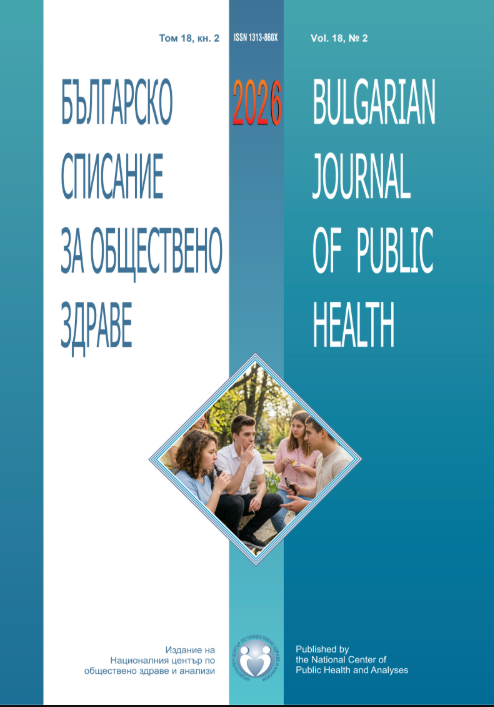
Mitreva, M., Pavlova, V. and Georgieva, V., 2026. Seasonal dynamics of microcystins, nutrients, and phytoplankton in Krasava Reservoir (2024-2025). Bulgarian Journal of Public Health.
Cyanobacterial blooms and their associated toxins represent an important challenge for freshwater ecosystems, particularly in reservoirs used for drinking water supply. Understanding seasonal changes in phytoplankton communities, nutrient concentrations, and cyanotoxin occurrence is essential for effective water quality monitoring and public health protection.
In a study published in the Bulgarian Journal of Public Health in 2026, Mitreva et al. investigated the seasonal dynamics of microcystins, nutrients, and phytoplankton communities in Krasava Reservoir, Bulgaria, during 2024–2025. The study combined high-performance liquid chromatography (HPLC), enzyme-linked immunosorbent assay (ELISA), and microscopic phytoplankton analysis to assess ecological conditions and potential cyanotoxin contamination.
The results revealed no detectable microcystins in any of the eight analyzed water samples, while total nitrogen concentrations ranged from 0.81 to 1.96 mg/L and total phosphorus from 0.023 to 0.131 mg/L. The reservoir exhibited predominantly oligotrophic to mesotrophic conditions, indicating a relatively low risk of cyanotoxin contamination during the investigated period.
Despite these encouraging findings, the researchers emphasize the importance of continued seasonal monitoring, particularly under increasing nutrient enrichment and extreme climatic conditions. The study provides valuable information for drinking water protection, environmental monitoring, and the early identification of potential cyanobacterial risks.
The research addresses key priorities of CYANOACTION (COST Action CA23160), particularly improving cyanotoxin monitoring and understanding environmental factors influencing harmful cyanobacterial blooms. It also reflects the importance of scientific efforts to strengthen freshwater quality assessment and public health protection.
Read the publication in the Bulgarian Journal of Public Health (2026, Vol. 18, Issue 2): https://ncpha.government.bg/uploads/pages/3351/BSOZ-2-2026-Journal.pdf